Sleep from thirteen to eighteen
Your teenager is not lazy. Somewhere in adolescence their body clock moved later, and school still starts before it is ready. Here is what actually changed, what the evidence supports, and what is worth raising with a clinician.
How much sleep teenagers actually need
Teenagers aged 13 to 18 need 8 to 10 hours of sleep in every 24. Most do not get it, and that gap is the biggest sleep problem in this age group.
Aged 13 to 18
Across a full 24 hours, including any sleep in the day.
Fall short
Fewer than a quarter of US high school students get enough sleep, and that share has been falling for a decade.
Probably generous
These numbers come from teenagers estimating their own sleep. When sleep is measured, it is usually lower.
The body clock really does move
This is the part most worth understanding, because it changes what you ask of your teenager, and what you stop arguing about.
Two things shift during adolescence, and they push the same way. Melatonin, the hormone that starts the body's biological night, is released about an hour later by the end of the teenage years. At the same time, the pressure to sleep builds more slowly, taking around 9 hours in early puberty and around 15 hours by full maturity.
A teenager who cannot fall asleep at 10pm is usually not refusing. At 10pm, their body has not started its night.
This is also why the Saturday lie-in does not settle the debt. When teenagers slept 5 hours a night for five nights, then had two nights of 9 hours, their attention did not recover. Sleeping in also pushes the clock later still, which is part of why Sunday night and Monday morning are so reliably hard.
What helps more than a long Saturday is a wake time that does not move by more than about an hour between school days and free days.

Hold the wake time, not the bedtime
You cannot argue a teenager into feeling sleepy earlier. What you can hold steady is the morning. A wake time that stays within about an hour on school days and free days does more for the week than any single early night.
When late nights become a disorder
There is a point where a late body clock stops being a phase and becomes something a clinician can name and treat.
It is called delayed sleep-wake phase disorder. In one study of more than 9,000 Norwegian teenagers, 3.3 percent met the criteria. Estimates elsewhere run from about 1 percent to over 8 percent.
The most useful test at home is the school holidays. A teenager with a delayed clock, left to their own schedule, sleeps well and sleeps enough. They just do it late. A teenager who sleeps badly whatever the schedule has something else going on, and insomnia is the more likely explanation.
Treatment guidance exists, and every recommendation in it is rated weak. It combines a small, carefully timed dose of melatonin in the early evening, morning light after waking, and a schedule that shifts gradually. That is a long way from how melatonin is usually used at home. The timing does the work, not the amount, and your child's doctor can help you set it up.
School start times
Later school starts are worth arguing for. It helps to know which parts of that argument are strong.
The American Academy of Pediatrics recommends that middle and high schools start no earlier than 8:30am, and the American Academy of Sleep Medicine takes the same position.
When Seattle moved high school start times from 7:50am to 8:45am, researchers measured students' sleep with wrist monitors in the same schools, before and after. Sleep went up by a median of 34 minutes. That is the clearest finding in this area.
Beyond sleep length the picture is less settled. A review covering nearly 300,000 students rated the certainty of that evidence as very low, with mixed results on school performance, and the widely repeated claim that later starts cut teen car crashes did not hold up when the same data was re-analysed. Later start times are worth having on sleep alone.
The morning is the hard edge
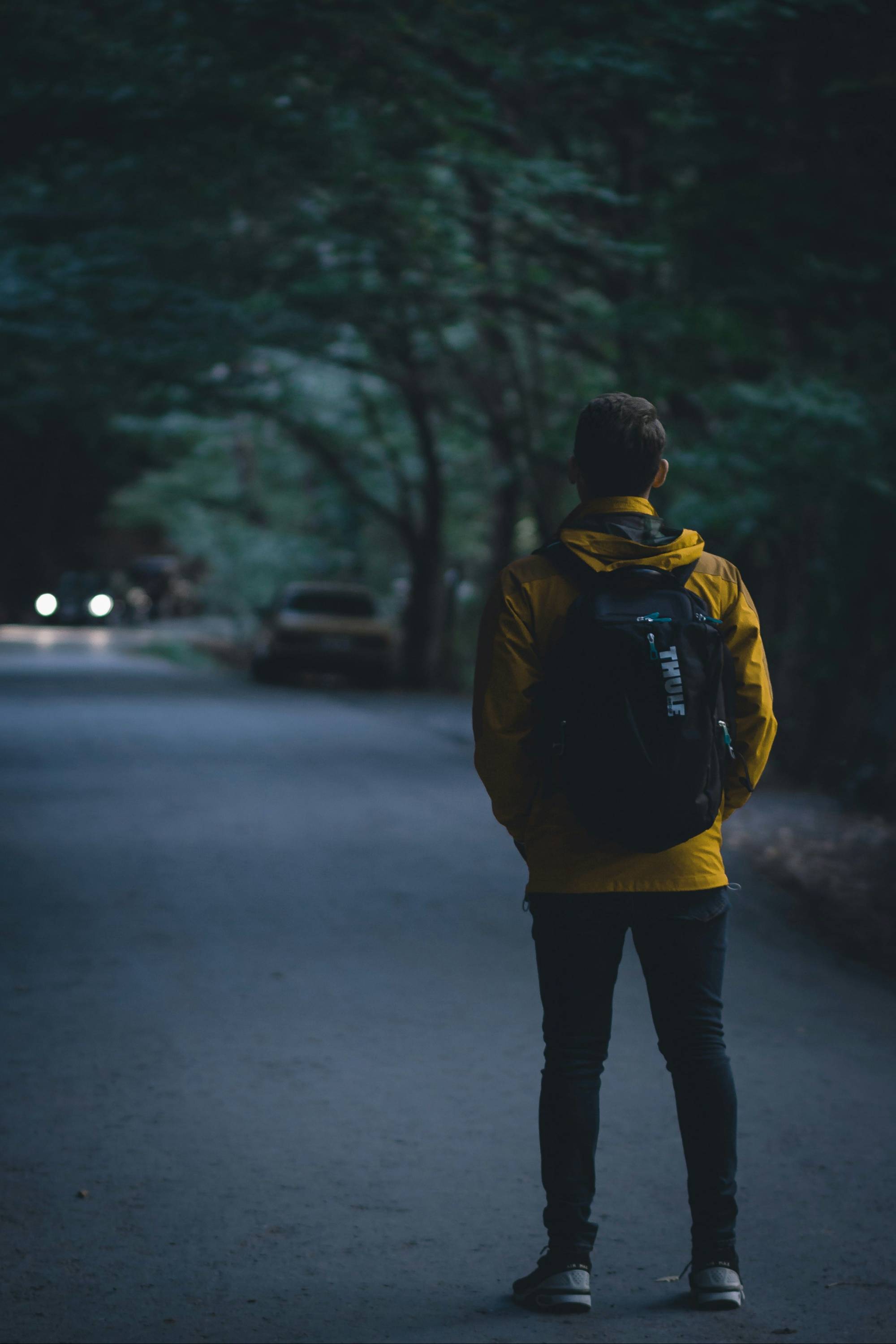
A 7:50am start asks a teenager to be awake and thinking in the middle of their biological night. Nothing about the bedtime routine changes that. This is one of the few sleep problems that sits with the timetable rather than with the family.
The phone overnight
The evidence on screens is strong for one specific thing, and it is not total hours.
Pooling 20 studies covering more than 125,000 young people, using a device at bedtime roughly doubled the odds of not getting enough sleep. Simply having a device within reach at bedtime, without using it, was linked to almost as much.
In a study of more than 10,000 early adolescents, leaving the ringer on overnight, being woken by notifications, and using a device after waking in the night were each linked to more trouble sleeping.
Against that, the largest and most carefully planned analysis, covering more than 50,000 young people, found each hour of screen time linked to around 3 minutes less sleep.
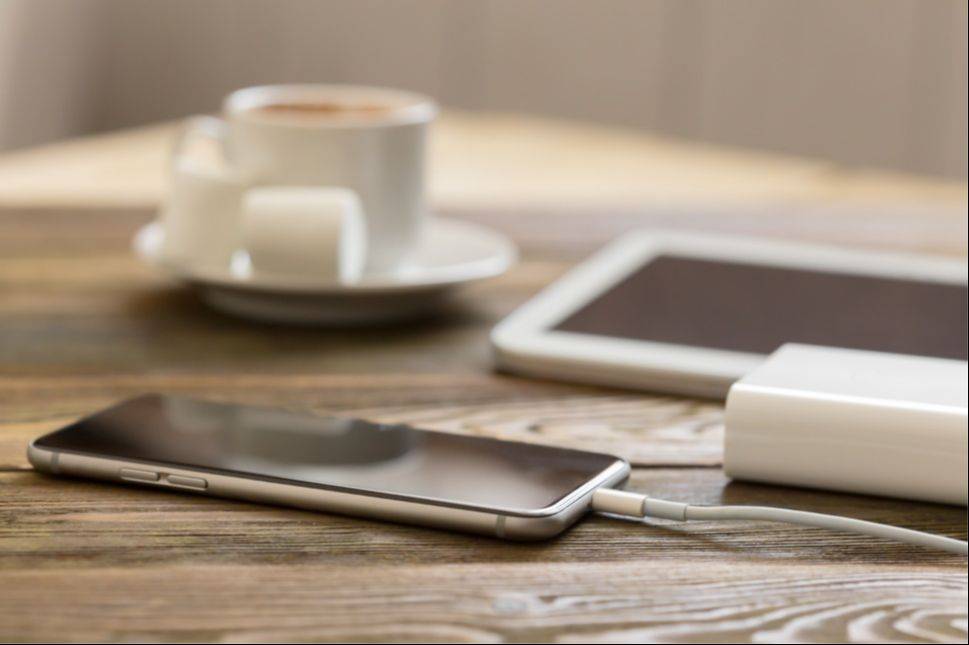
So the practical message is narrower than the headlines. The phone charging outside the bedroom overnight, with notifications off, is a reasonable thing to insist on. Counting hours of screen time is not.
Where the phone sleeps
One change carries most of the benefit. The phone charges somewhere other than the bedroom, and notifications go off overnight. A place is usually easier to agree on than a number of hours.
Caffeine and energy drinks
Timing matters more here than a daily total.
About 73 percent of US children and teenagers have caffeine on any given day, and coffee and energy drinks are taking a growing share of it.
When sleep was measured at home in 98 teenagers across seven nights, more caffeine meant longer to fall asleep, less sleep overall, and more broken sleep. Afternoon and evening caffeine drove the effect, and the loop ran both ways: a bad night predicted more caffeine the next afternoon.
Energy drinks stand out. Among 1,353 Norwegian teenagers aged 15 to 16, those drinking them four or more times a week slept about 57 minutes less than those who did not. The American Academy of Pediatrics position is that caffeinated energy drinks have no place in the diet of children and teenagers.
The rule worth holding is about the clock. Caffeine after early afternoon is the part that shows up in measured sleep.
Sleep and mood
Sleep and mental health travel together in adolescence. Which one comes first is less settled than most coverage suggests, and that matters for what you do about it.
Pooling 22 studies that followed young people over time, disturbed sleep did predict later depression, but the effect was small. A review of 74 studies covering more than 360,000 teenagers found the strongest signal was not depression at all. It was the loss of positive mood, meaning less enthusiasm and less enjoyment.
The relationship runs in both directions. Anxiety and low mood disturb sleep, and disturbed sleep worsens mood. Treating one as the cause of the other can mean missing something that needs its own attention.
The most useful finding is a hopeful one. In a trial of 708 young people aged 15 to 25 who had insomnia and early signs of low mood, six weeks of treatment aimed at the insomnia alone cut new episodes of major depression over the next year from 18 percent to 10 percent.
If you are worried about your teenager's mood, please raise it with your own clinician rather than waiting to see whether better sleep fixes it.
Melatonin for teenagers
Melatonin is easy to buy, which makes it easy to assume it is well understood. It is not.
When researchers tested 25 melatonin gummies, 22 were inaccurately labelled, with actual content running from 74 to 347 percent of the label. One contained no melatonin at all. An earlier analysis of 31 supplements found unlabelled serotonin in around a quarter of them.
On how well it works, pooled results from eight trials in young people with long standing insomnia found sleep came about 18 minutes sooner and total sleep rose by about 30 minutes, with the certainty of that evidence rated low to very low. The authors said plainly that it should never be the first thing tried at this age.
The American Academy of Sleep Medicine advises treating melatonin like any other medicine. Speak to a pediatric health professional first, keep it out of reach of younger children, and choose a product carrying the USP Verified Mark. If your teenager has a delayed body clock, the timing described earlier matters more than the dose.
Worth mentioning at your next visit
Teenage sleep problems are easy to write off as normal teenage behaviour. These are the ones worth saying out loud.
- Cannot fall asleep before the early hours, even when tired and trying
- Sleeps well and long on holidays, but only if allowed to start late
- Falls asleep in class, or while sitting still during the day
- Snoring most nights, or pauses in breathing
- Legs that ache or feel restless at bedtime
- Low mood, anxiety, or a change in how they are coping
- Energy drinks, or caffeine after the early afternoon
- Melatonin taken for more than a few weeks
- Missing school in the mornings

OWL magazine, Owlkids
The Sleep Health Organization in the Insider section, on why having trouble falling asleep is common.
Dr. Anya McLaren-Barnett is one of the physicians behind this health resource for families, written by Black providers.
Have another child at a different age?
What is normal at six months is not normal at sixteen years. Each age has its own page.
Where this comes from
- Paruthi S, et al. Recommended amount of sleep for pediatric populations: a consensus statement of the American Academy of Sleep Medicine. Journal of Clinical Sleep Medicine, 2016;12(6):785 to 786. Source of the 8 to 10 hour range.
- Centers for Disease Control and Prevention. Youth Risk Behavior Survey data summary and trends report: dietary, physical activity and sleep behaviors, 2013 to 2023. Published 2025. Source of the 23.2 percent and 32 percent figures.
- Crowley SJ, et al. A longitudinal assessment of sleep timing, circadian phase, and phase angle of entrainment across human adolescence. PLoS One, 2014;9(11):e112199.
- Jenni OG, Achermann P, Carskadon MA. Homeostatic sleep regulation in adolescents. Sleep, 2005;28(11):1446 to 1454. Source of the 9 hour and 15 hour build-up figures.
- Crowley SJ, Eastman CI. Free-running circadian period in adolescents and adults. Journal of Sleep Research, 2018;27(5):e12678. Source of the 24.19 and 24.22 hour figures.
- Sivertsen B, et al. Delayed sleep phase syndrome in adolescents: prevalence and correlates in a large population based study. BMC Public Health, 2013;13:1163.
- Auger RR, et al. Clinical practice guideline for the treatment of intrinsic circadian rhythm sleep-wake disorders. Journal of Clinical Sleep Medicine, 2015;11(10):1199 to 1236. Source of the melatonin timing and dose.
- Adolescent Sleep Working Group, American Academy of Pediatrics. School start times for adolescents. Pediatrics, 2014;134(3):642 to 649.
- Watson NF, et al. Delaying middle school and high school start times promotes student health and performance: an American Academy of Sleep Medicine position statement. Journal of Clinical Sleep Medicine, 2017;13(4):623 to 625.
- Dunster GP, et al. Sleepmore in Seattle: later school start times are associated with more sleep and better performance in high school students. Science Advances, 2018;4(12):eaau6200. Source of the 34 minute figure.
- Marx R, et al. Later school start times for supporting the education, health and well-being of high school students. Cochrane Database of Systematic Reviews, 2017;7:CD009467.
- Foss RD, et al. High school start times and teen driver crashes. National Highway Traffic Safety Administration, 2015. Report DOT HS 812 221.
- Lo JC, et al. Neurobehavioral impact of successive cycles of sleep restriction with and without naps in adolescents. Sleep, 2017;40(2):zsw042.
- Depner CM, et al. Ad libitum weekend recovery sleep fails to prevent metabolic dysregulation during a repeating pattern of insufficient sleep and weekend recovery sleep. Current Biology, 2019;29(6):957 to 967. Conducted in adults.
- Carter B, et al. Association between portable screen-based media device access or use and sleep outcomes: a systematic review and meta-analysis. JAMA Pediatrics, 2016;170(12):1202 to 1208.
- Nagata JM, et al. Bedtime screen use behaviors and sleep outcomes: findings from the Adolescent Brain Cognitive Development study. Sleep Health, 2023;9(4):497 to 502.
- Przybylski AK. Digital screen time and pediatric sleep: evidence from a preregistered cohort study. Journal of Pediatrics, 2019;205:218 to 223.
- Branum AM, Rossen LM, Schoendorf KC. Trends in caffeine intake among US children and adolescents. Pediatrics, 2014;133(3):386 to 393.
- Lunsford-Avery JR, et al. Impact of daily caffeine intake and timing on electroencephalogram-measured sleep in adolescents. Journal of Clinical Sleep Medicine, 2022;18(3):877 to 884.
- Kaldenbach S, et al. Sleep and energy drink consumption among Norwegian adolescents. BMC Public Health, 2022;22:534. Source of the 57 minute figure.
- Marino C, et al. Association between disturbed sleep and depression in children and youths: a systematic review and meta-analysis of cohort studies. JAMA Network Open, 2021;4(3):e212373.
- Short MA, et al. The relationship between sleep duration and mood in adolescents: a systematic review and meta-analysis. Sleep Medicine Reviews, 2020;52:101311.
- Alvaro PK, Roberts RM, Harris JK. A systematic review assessing bidirectionality between sleep disturbances, anxiety, and depression. Sleep, 2013;36(7):1059 to 1068.
- Chen SJ, et al. Effectiveness of app-based cognitive behavioral therapy for insomnia on preventing major depressive disorder in youth with insomnia and subclinical depression: a randomized clinical trial. PLOS Medicine, 2025;22(1):e1004510.
- Cohen PA, et al. Quantity of melatonin and CBD in melatonin gummies sold in the US. JAMA, 2023;329(16):1401 to 1402.
- Erland LAE, Saxena PK. Melatonin natural health products and supplements: presence of serotonin and significant variability of melatonin content. Journal of Clinical Sleep Medicine, 2017;13(2):275 to 281.
- Edemann-Callesen H, et al. Use of melatonin in children and adolescents with idiopathic chronic insomnia: a systematic review, meta-analysis, and clinical recommendation. EClinicalMedicine, 2023;61:102048.
- American Academy of Sleep Medicine. Health advisory: melatonin use in children and adolescents. Adopted 2022, published in Journal of Clinical Sleep Medicine, 2022;18(12):2857 to 2859.
This page provides educational and informational content on pediatric sleep health for general purposes only. Nothing here constitutes medical advice, a clinical diagnosis, or a substitute for professional medical consultation. Parents and caregivers should consult their child's physician before changing care or treatment. In a medical emergency, contact your local emergency services immediately.
FREE DOWNLOAD
Where should we send your melatonin guide?
Melatonin is one of the most common things parents reach for once a child is past infancy, and one of the least understood. This guide covers what it does, what it does not do, and what to ask your clinician.